Terrace Martin on The Core Concepts of Passion Peace Purpose & Perspective
BY DJ HED & TERRACE MARTIN
PHOTOGRAPHY BY SAMANTHA WHITEHEAD
JANUARY 30TH 2026
SHARE: X LinkedIn Email
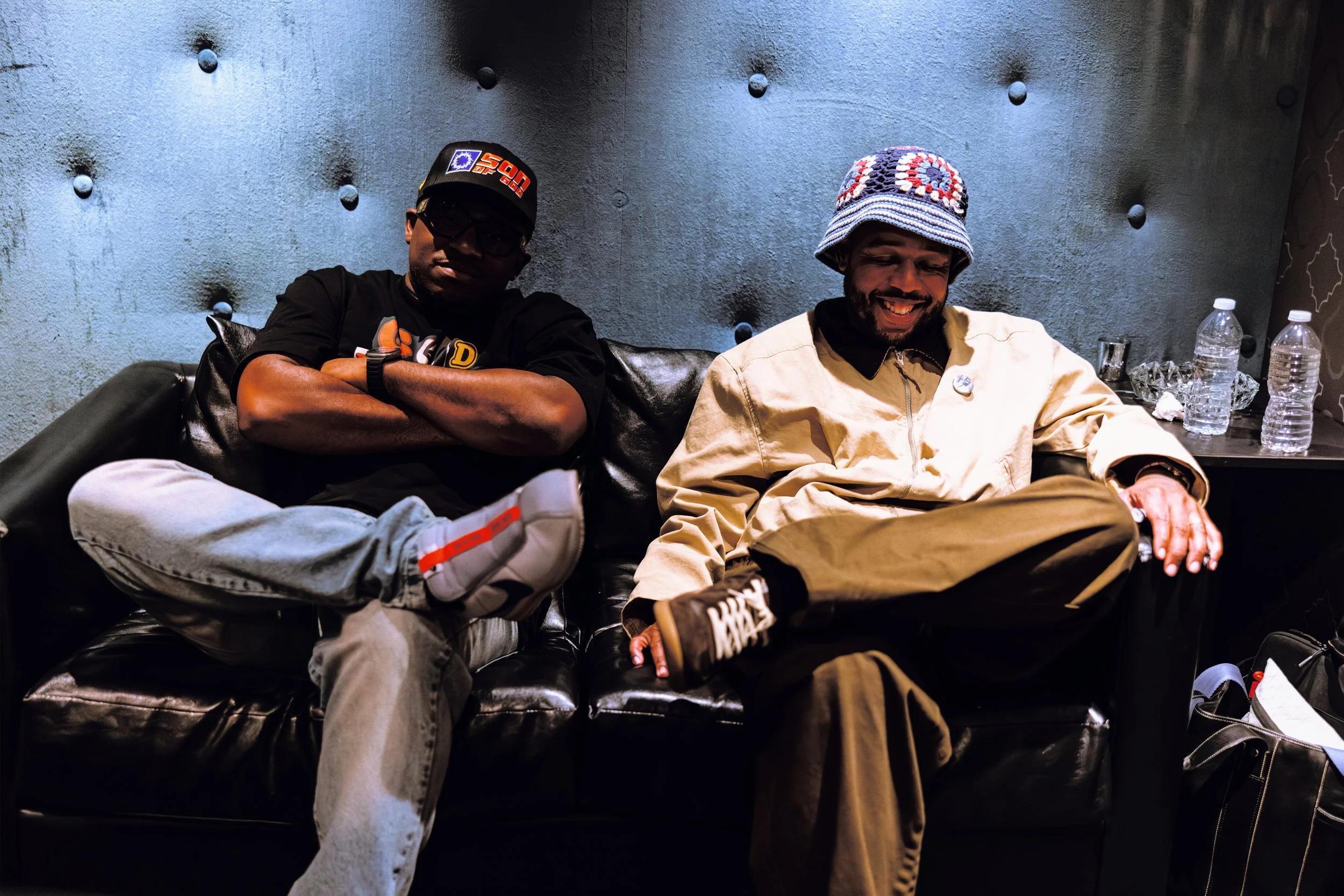
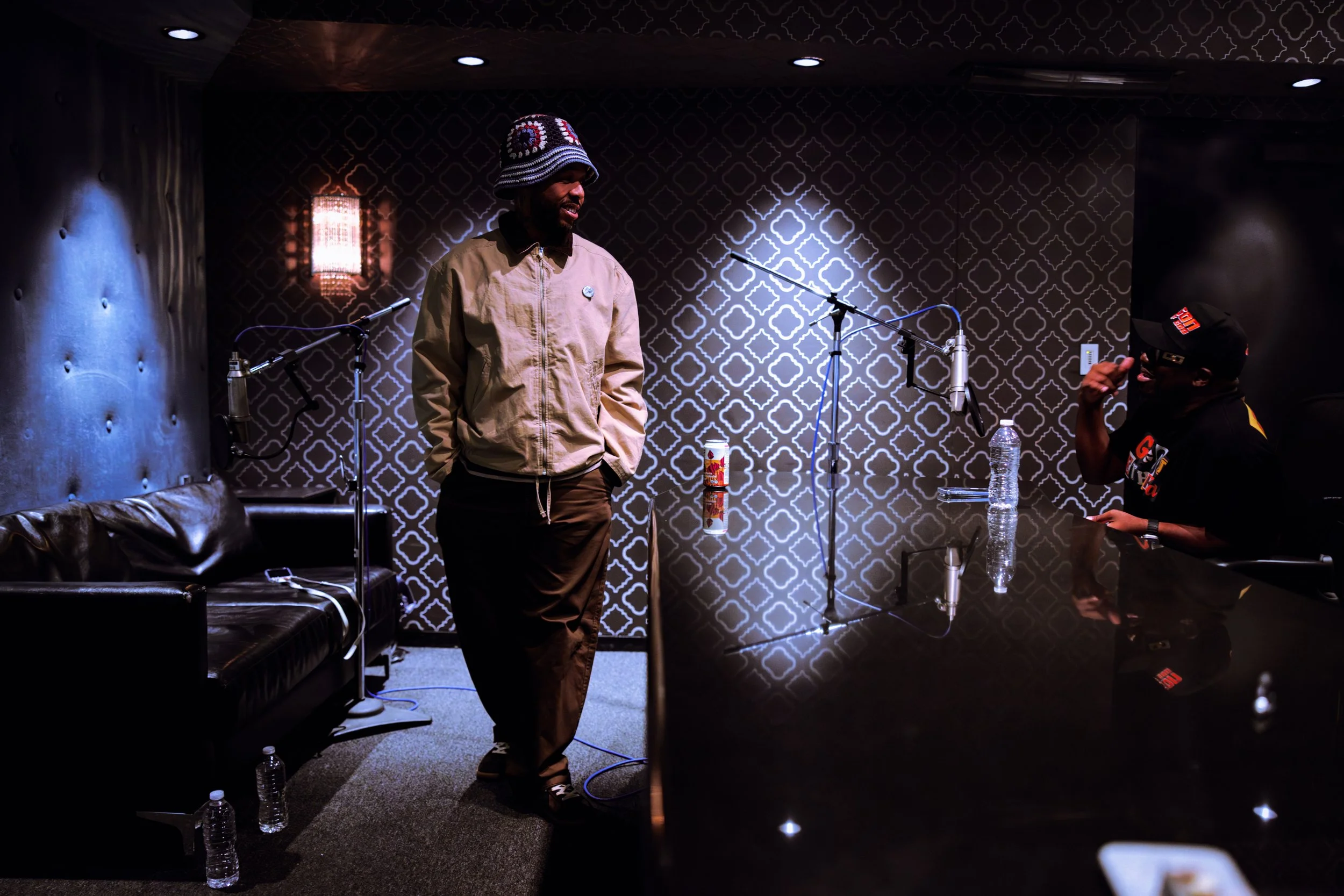
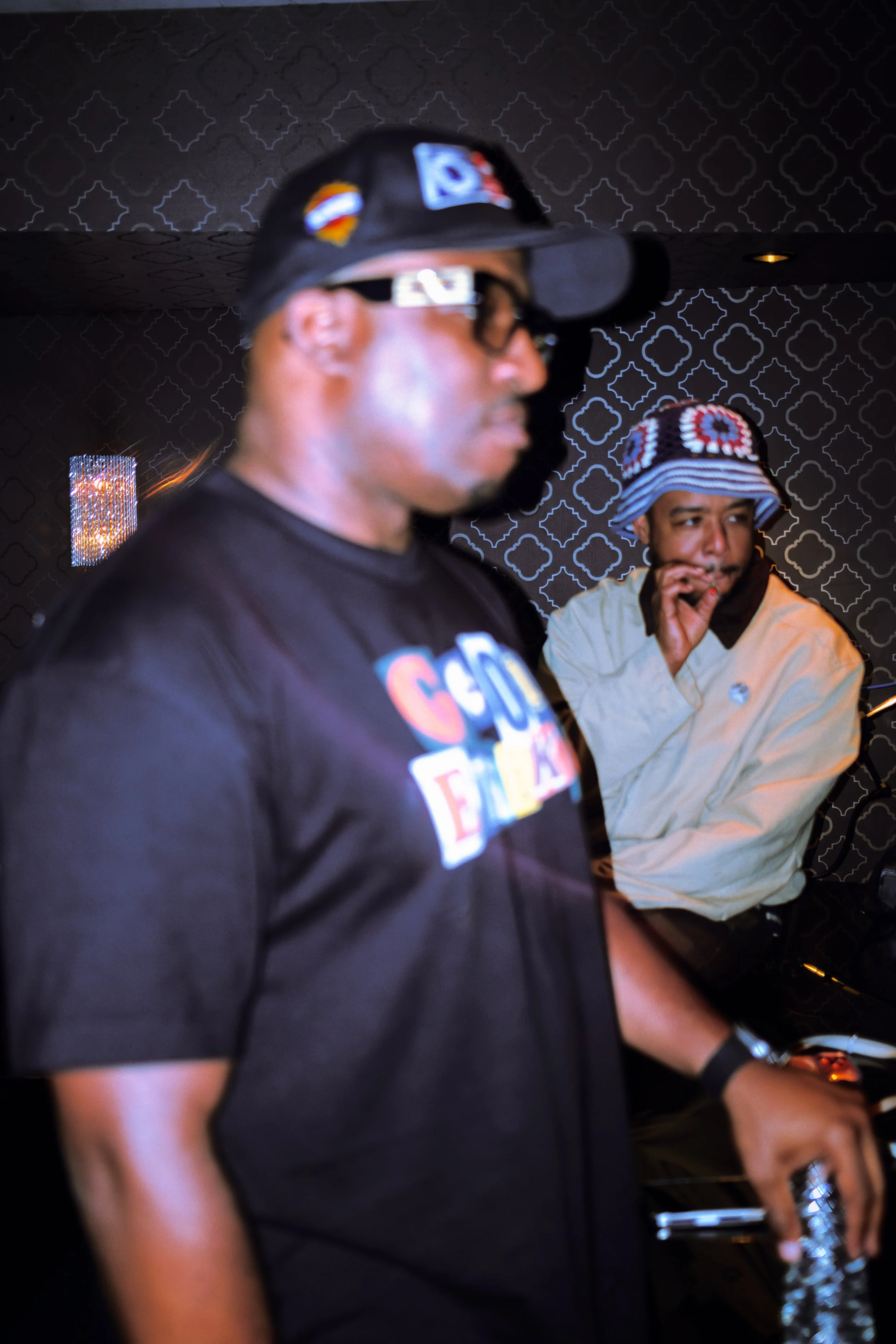
DJ Hed: It’s DJ Hed. I'm here with my brother, the legendary Terrace Martin.
Terrace Martin: Peace. Peace. What's up Hed man.
DJ Hed: First and foremost, congratulations on all of the different successes.
Terrace Martin: Thank you, brother.
Hed: Like, you've been a busy ass, my nigga, like you… I've been very impressed with your output because people know the stuff that you be working on, I think that like, once it comes out, but people don't know that you consistently working. Like you be in a studio constantly, you don't post a lot, you kind of come from that school of elusiveness. Is that intentional and why?
TM: Well, it's, uh, I guess I can't run from the word intentional. I can't run from that. 'cause it is intentional, but, it's kind of how I was raised and built by design. You know what I mean? It's like, most of my music heroes didn't take pictures everywhere they went. They just did the work, you know? I think a lot of people built the elusive character statements more than what people, than what we do because I'm not thinking, I'm not doing it like let me be deep and not be seen. I'm really just trying to focus on the song or just focused on whatever that vibe is without bringing the camera phone out, without taking a picture, without getting the tripod together, or without just really giving the art 100%. So I feel like it may appear that I'm thinking of, let me just not post a lot. But the truth is I'm just working every day and I'm not thinking about posting 'cause I come from the era to where that, you know, doing music to some people is secretive and that's their personal moment. And some people don't want their personal moment displayed, you know, some people do though, and that's fine. But I'm more like, let me get the music done.
Hed: I always notice something about, I mean, I want to talk about this Love is Louder Than Algorithms, but something I always notice about you is, it was gonna sound crazy what I was gonna say, but I was gonna call you a switch hitter, but that might sound crazy. But, I was gonna say, I look at it like kind of like LeBron, right? Whereas LeBron is a small forward, but he played power forward LeBron played center at some point, LeBron played point guard, you know what I mean? I look at Terrace Martin the same way. Terrace Martin can go in and he could headline the Blue Note, he could be a supporting act on a late night talk show with an artist, he could be music director for a tour, he can executive produce an album or he could just play the horn as a fill or a background, and I've seen you do all of that. Is there one position that you like the most and is there one you like the least?
TM: Me and my good friend, Kamasi Washington, we say this once a week to keep us in check. The position we like, we like to have our ticket and to be on the bus. We don't like not having the ticket and being on the bus. So whatever on that bus is, we like being on the bus and rolling with everybody that's on the bus. We don't want to be left off the bus. And I learned that from being young, touring with Snoop, where I never had a problem if Snoop had a bagman, maybe the bagman stayed up too late, drinking or whatever I, “Hey Snoop, want me to help you with your bags? Hey man, where the camera man? Hey, hey, hey, hey I got a camera…” you know. “Oh man OK. Hey, hey, hey. Who can roll blunts?” I ain't even know how to roll blunts. “Me. I roll blunts.” You know. “Aye T Martin, man, we gotta get rid of the horn players… Don't worry about it, I play keyboard too.”
Hed: Facts.
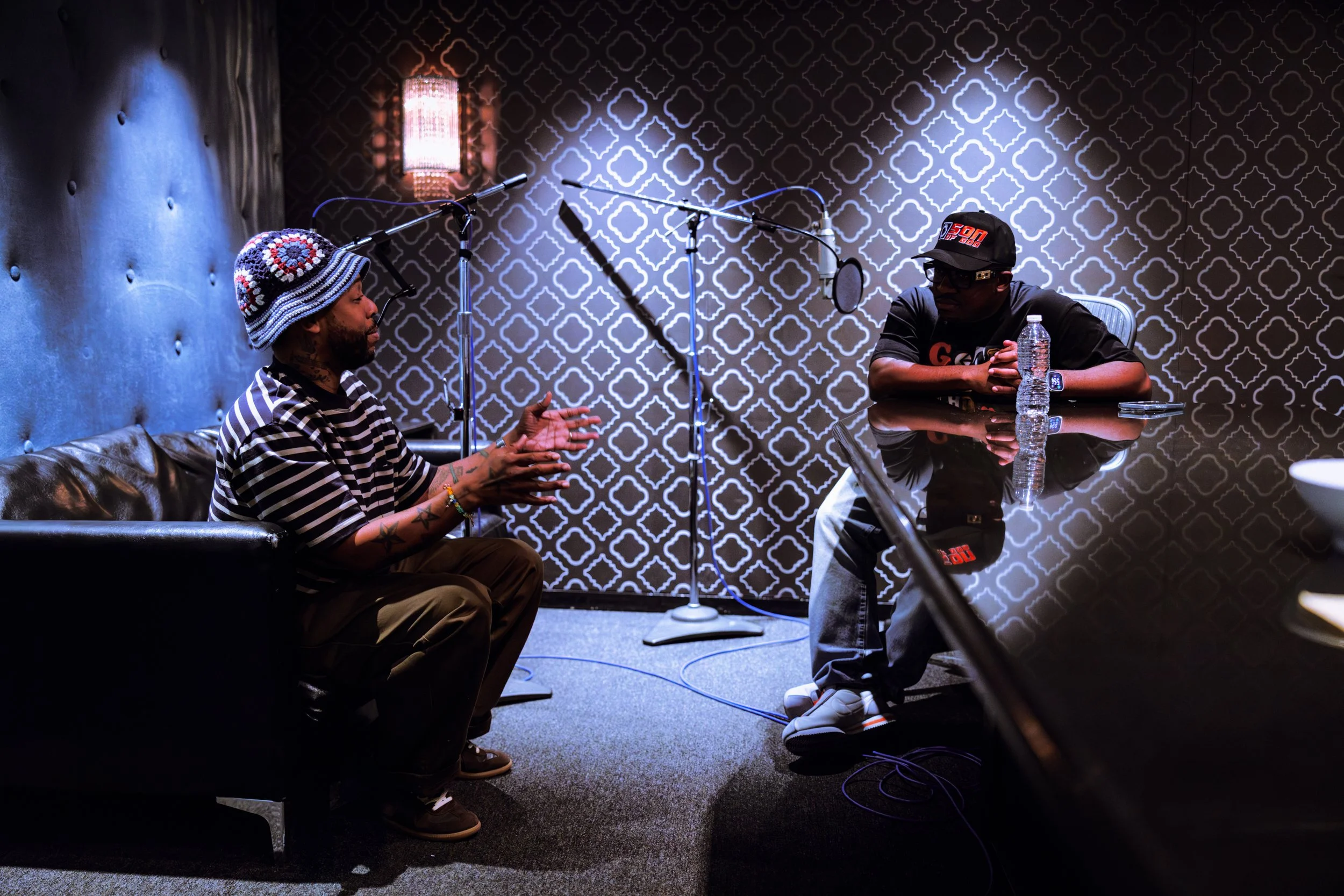
TM: “T Martin, man, we gotta get rid of the keyboard players. Ok, well, I mean, can I sell some verses? Can I book some verses for you ok yeah, yeah. Aye can I play some gigs for your mama?” I just wanted to stay on the bus you know what I'm saying? And that mentality is with it helped me out, even with TDE, you know. I think about… I think about the TDE chapter of my life so importantly because, talk about everything I learned from Snoop, I was learning at Snoop, I was displaying at TDE. So I was learning all these characteristics, but I got a chance to display and use those at TDE where, to the point where I don't gotta be a part of everybody's record, but I want to come support you. Let me come to the studio, let me come by here, let me come by there, let me, you know, let me just be on the bus,a part of it. Just let me, I just want to be a part. I love being a part.
Hed: Okay, so you talk about how the Snoop era played into the TDE era. How does all these things culminate to Love is Louder Than Algorithms at this stage in your career?
TM: I think of Snoop, for me personally, I think of Snoop like a master teacher, you know. One of the biggest lessons I learned from Snoop is honest art. Honest art is a big lesson I learned from Snoop Dogg. And with, you know, I always say, like the truth will live a way healthier life than a lie. A lie may be popular and crackin, but eventually the back gon’ go out on the lie, the legs gonna go out 'cause the core ain't strong on the lie. You know what I'm saying? How all these play, how I say that my lessons with Snoop play into Love is Louder Than Algorithms because when using honest art, honest art is like a magical sword, I feel, especially today and like in the world of so many lies and so many displaced things because of the algorithm it's like honest art is really sticking through and picking through and like poking through. So one thing I learned about Snoop is to always arm yourself with these swords of honest art, you know what I'm saying? So you could poke through things that may seem difficult. Like right now, people always say, you gotta have a certain thing to get in front of the algorithm. And you know, the few consistent things that I learned that will always break through is love and honest art through that algorithm. Love and honest art. You know what I'm saying? And that's what I learned from Snoop is really how to maintain those swords of honest art through crazy things, through the algorithm, through life and through everything.
Hed: Why Love Is Louder Than Algorithms?
TM: Why am I creating, why that statement?
Hed: Yeah, why?
TM: Because it's something I need to tell myself every time I pick up my phone or every time I think about the internet, or every time I think about the algorithm, it's something I, it's really, it's me. It’s something I'm telling myself like, love is louder… I get caught up.
Hed: It's a statement to yourself.
TM: It's a statement to myself that this is me, I'm fucked up. I get caught up. I'm caught up on the internet. I get caught up still going through disappointment. I get caught up through, you know… people always say “I don't care what nobody says,” and “I don't care about the internet, I don't care about this.” I've seen every person that say they don't care about this thing answer to this thing, you know what I mean? So these are things that I have to tell myself because I get weak like everybody else. I'm human. So this, this is just a reflection of myself and hopefully through me, through what I'm going through, I can help somebody else thats goin through the same thing that needs to know love is louder than the algorithm.
Hed: Okay. So actually before I continue, from Terrace Martin, what is love?
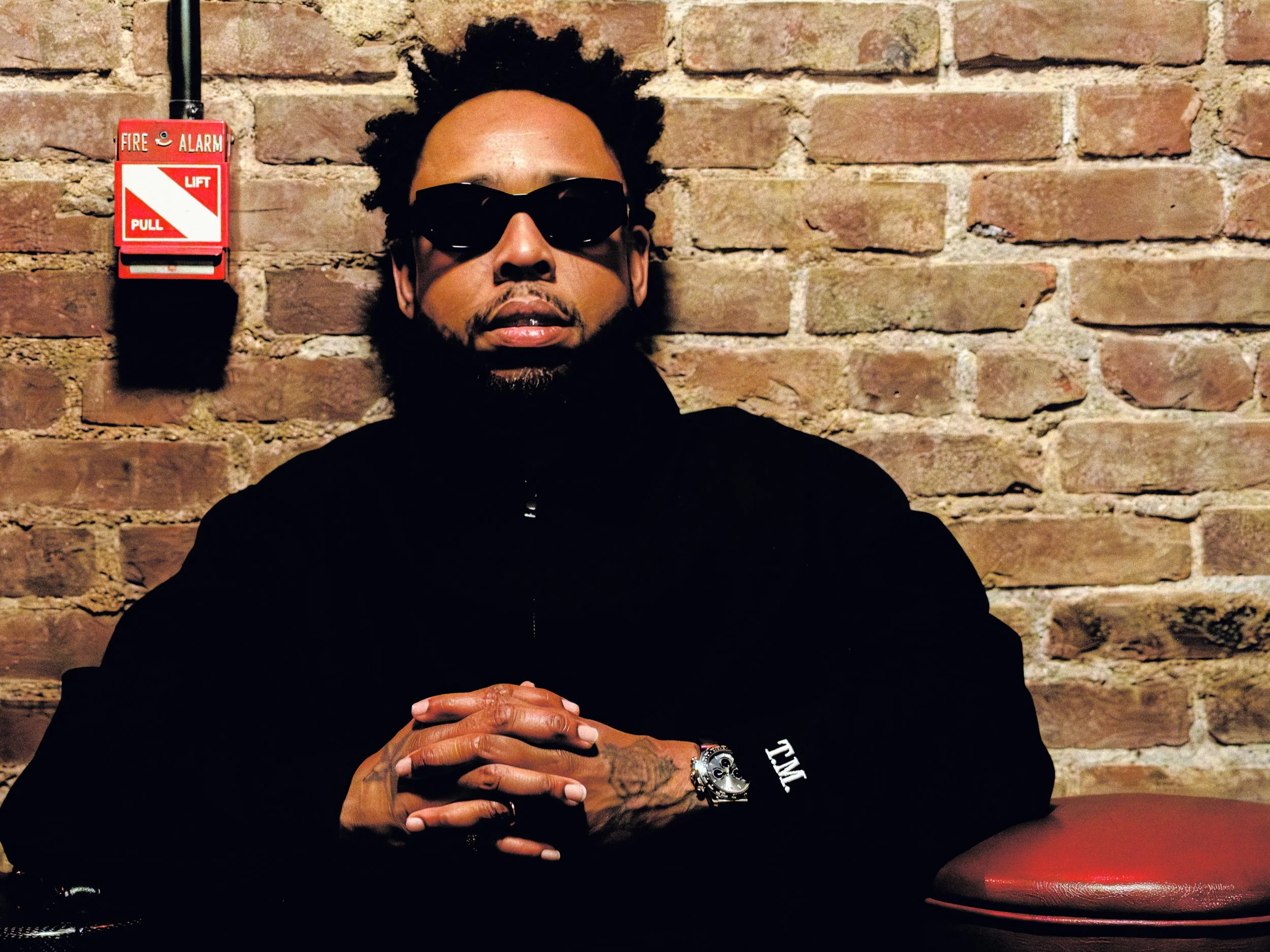
TM: Love. Love is an action, you know. No, lemme give you this. Love is a car that's fueled by joy. What I mean by that, we believe in my village and my household that the first thing that could knock you down in your life is when your joy is took. Like, I believe joy is everlasting and happiness is temporary. So, I'm never wishing for happiness. I don't care about being happy. I don't, I wanna be full of joy.
Hed: Got you.
TM: You know what I mean? So what was the question again?
Hed: What is love?
TM: So, yeah, here it is. Love is the vehicle that's fueled by joy. Love is power. Love is… love is a superpower that we all have. Love is fiery. Love is love is not… the feeling of love is not calm. The feeling of love is explosive. Love is, love is the car with all these different things in it. Like if joy is the fuel for it, compassion are the seats for it. Trust is the engine for it. You know what I'm saying? It's a body that take these other components to make up this thing called love, you know?
Hed: And from your vantage point, what is the algorithm?
TM: The algorithm is now what people have replaced God with. People pray to the algorithm. People pray to get in front of the algorithm. Oh, don't get caught up in the algorithm. Oh, we went viral, we're excited. The algorithm had accepted us. The algorithm has gave us this hallway to success, the algorithm. We've been so talented. We worked so hard. Noah, Sam, we worked so hard that the algorithm has accepted us and allow people to see us. That's the algorithm.
Hed: So then when you say love is louder than that…
TM: Yeah, because love is real. Love is joy. Love is, remember all those things we said earlier, the things that fuel love the car, those are real things. Joy is a real component. Those are real things. Love is what we're, we're all working… Love is such a real human thing. The algorithm is not a human thing, but it is a human thing at the same time. We power it. We give with the power. We give it the power, and then we let it shape us. We give the algorithm all the cute, like, I laugh at chat, right? Chat is entertaining to me and I love chat, because chat, chat is like the badass bitch with the big old ass and just fucks you real good and tells you, even when she tells you something you shouldn't do, it's like, but go ahead and do it, you know? And it's people that have real talks with chat, but chat has already been trained to not let you down.
Hed: Facts
TM: That's not human
Hed: Cause humans let you down.
TM: And chat is a child of the algorithm. Chat is a child of the algorithm. That's… one of the algorithm's disciples is chat. You know what I'm saying? So love, love is honest. Love is true. Love is not of the internet. So love is loud! Love is powerful. Love. I always say love, love is the truth. I just said the truth will always have a healthier life than a lie, you know?
Hed: With this project, and I know that we're gonna talk about the other ones too, but with this project specifically, uh, well, actually I don't, no, that's not necessarily true.I'm gonna tell you something and I would like your perspective on it. I happen to believe that classical music cannot exist without live instrumentation. I believe that songs that are being created over the last 20 years or better being created and made completely electronically without the use of live instrumentation cannot truly be timeless because it lacks an authentic vibration that live instruments produce. And as humans, we resonate with those vibrations, because energy is transferable. As a musician himself, I consider myself a fake ass producer, I'm more of an arranger, as an actual musician how do you respond or think about that statement?
TM: I think that's true. I think that statement is true. I only pause to go through about 3000 songs that fast in my head, only paused to go through it. I was, um, my rolodex went… I don't know why it settled on Ambitionz az a Ridah like all this house, but I said, well, you know -
Hed: I count a synthesizer as an instrument.
TM: It is. 'cause I would say, yeah, you take away Soopafly in that keyboard you don't have the boom bing boom boom, no, you don't no, you, you, you have to have that element. A drum machine is an instrument, that's Daz programming. I mean, you Yeah, yeah, yeah, yeah. That's, that's very true. You know?
Hed: Okay, so with that being said, I don't believe there is a Terrace Martin musical contribution in your discography that exists without some element of live instrumentation?
TM: It's not, no.
Hed: And so when I briefly listened to this project specifically, Love is Louder Than Algorithm, that was my takeaway. It sounds like a musical ensemble.
TM: Yes.
Hed: Right?
TM: Yes, yes.
Hed: When you approach making this project, do you approach it the same way as previous projects, do you approach it differently, and why, either way?
TM: I approach all my projects differently. This one, I approach it differently because, conceptually, love is louder than algorithms, so I'm creating songs and frequencies I feel that match that energy I'm trying to convey, you know?
Hed: Gotcha.

TM: Like, you know, I don't have a song saying love is louder than algorithm I didn't prompt that, you know? So I have songs that just dictate love. Love is loud, you know what I'm saying? From Ty Dolla $ign to Arin Ray, Herbie Hancock to Alex Isley, everybody's displaying love, you know what I'm saying? That's, so my only thing is getting songs that really speak to that. And if the song has no words and it's just an instrumental me playing a saxophone with a beat produced by Sounwave or something like that with Kamasi or whatever the case on it, then even the message that me and Kamasi are playing on these horns, like we, when me and Kamasi go and do a song with no words to it, the reason why we could, we could go into this whole page because, and you know, Sam will tell you we, it's five hour, Noah, it’s five hour conversations about why I'm naming... Same thing we doing, except it’s horns out. And then we look at each other and say, okay, I hear something that connects with that with no words. And we write a melody that connects with that subject matter.
Hed: It's more of a feel than…
TM: It's a feeling, you know what I'm saying? So I think with this one, my thing was just really strong love and every year it gets, you know, this was a tough one to do because the algorithm is so powerful. You know what I mean? The algorithm is so powerful, I wanted to make some songs that I personally felt like were strong love songs, that display love is more powerful than algorithms.
Hed: And then as far as the participants, I've seen you in a studio direct…
TM: Yes you have. All the levels.
Hed: Do you take direction and if so, what would be that case on this project? What song where someone gave you a direction or an idea or something and you leaned in and it turned out to make the project?
TM: You know what, as I get a little older, Hed, in this game I stopped taking direction from musical people that play instruments, and I lean more on taking direction from people that don't play instruments now.
Hed: Why?
TM: It's always worked with me and your relationship.
Hed: That's true.
TM It's been profitable and I feel like I don't trust you if you play an instrument next to me, giving me opinion on certain records.
Hed How does that work?
TM Well, I'm not aiming records for you to like as a musician, honestly. I'm aiming records for the person that's going through rough times. The single mama, the single father, the person in the penitentiary, the person that's really going through some, I'm… my music, I'm not aiming towards, I'm not purposely doing music for artists, I'm doing music for humans that just, everybody, you know what I'm saying? So, I want to get, I like getting input from people that don't play instruments, you know, like from yourself, from Samantha, from Deon, from Keefa, from Noah. Different people out my crew. I’m around a ton of musicians. if I wanna please musicians, just musicians, then I'll listen to other musicians sometime, but I can't think of a time in my career, in my life, where I was set out really in aiming just to play music for musicians.
Hed: Okay. Speaking of taking input, where'd you get the concept for this project Love Is Louder Than Algorithms.
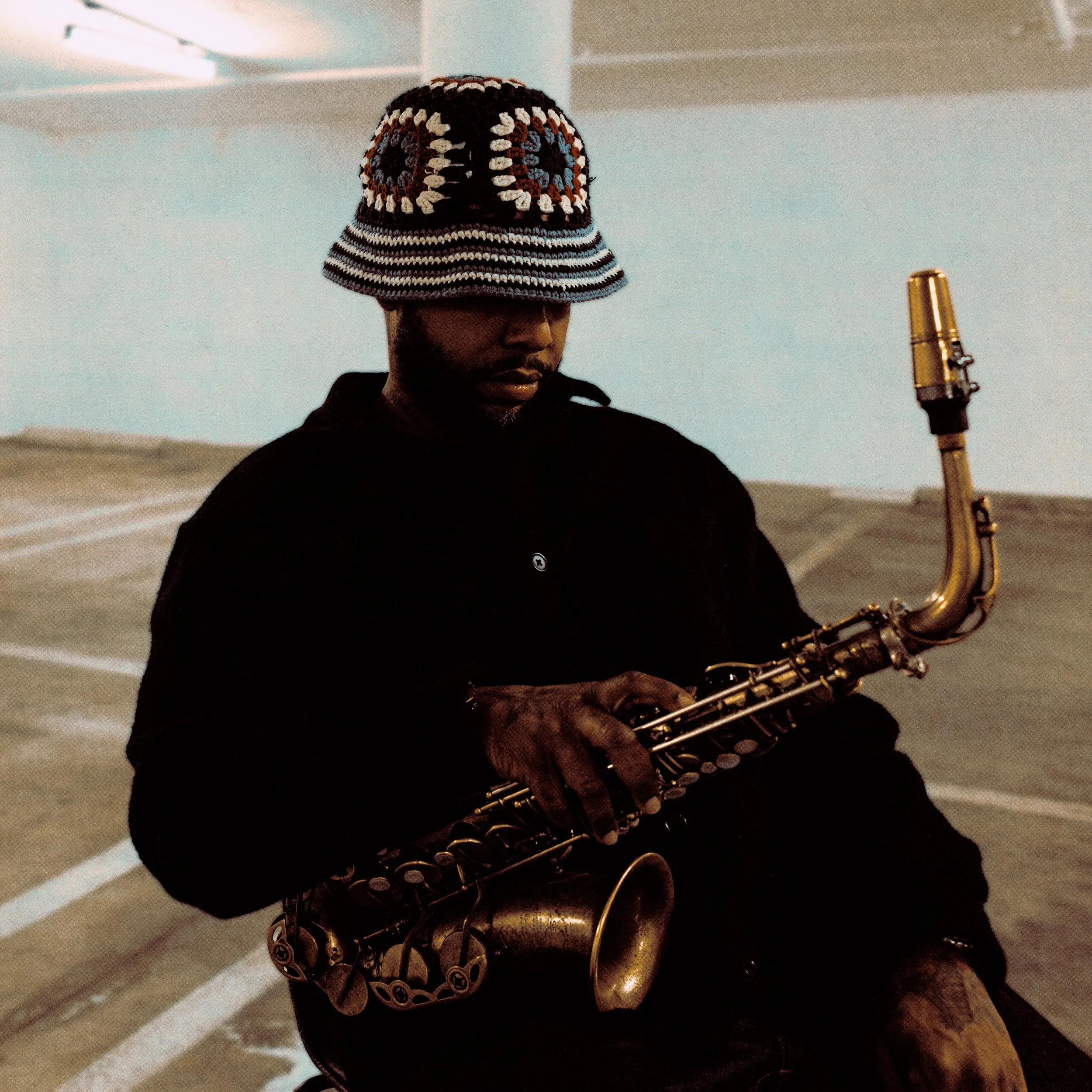
TM: I be taking long walks. Long walks, and I always say, man, I need to do some, I don't know how to do a project without a concept. Like I need to have a concept. I need to believe in this concept. I need to really feel this concept. I need to talk back and forth with this concept for a while. I need to really believe in it. 'cause that's, that's the, that's the joy of it, is getting in the world of a project and soaring, soaring through it, you know. Like exploring all what you could do within this concept. You know, or even sometimes exploring what you could do within means go outside of it, but just have a concept. That's what I like to create under, I like to know what's the mission? Who are we going to hit?
Hed: Do you start with the concept before you even do anything musical? Or do you have ideas of what you wanna do musically and then wrap that in a concept?
TM: Sometime I have random ideas, but when it comes to a record, I kind of, when I have the concept, that's when I go 'cause when I have the concept, I'm not trying to really, like I said, I'm not trying to emulate music or copy somebody else's music. I'm trying to get a feeling. Like I am not trying to do the kind of records that a lot of producers and artists will be knocking their head to. I'm trying to do a lot of records that people say, man, that that record saved my life, man, that that record helped me and my wife work out. Or that record made me realize me and my wife, we shouldn't be together we're happier now. But that record helped me realize I want to be this. You know, I think that that's where my shit is aimed at, you know?
Hed: When you told me about Love Is Louder Than Algorithms, you said the end is the beginning and the beginning is the end. There's five pieces to this. Break that down.
TM: It's five pieces. So we got, Love is Louder Than Algorithm. That's the beginning and that's the end. So let's start off with the conceptually Love is Louder Than Algorithms, imagine it's just “Love is Louder Than Algorithm Way” Imagine it like a street. Okay? This is not boulevard. This is a way, so right now we're on Love is Louder Than Algorithm Way. Love is Louder Than Algorithm Way is uh, your palate is about to shift, so whatever you had before you listen to this particular music, imagine it like a very savory piece of dinner, whatever you had, and now it's time to change your palate. So now you, I'm gonna bring you out some vegan vanilla ice cream. You know what I'm saying? Take a little spoon and that's just to open up your taste buds and the idea of something else entering your body. And that's what this first floor is. And the first installment of the movement is Passion. I believe passion is very important. Passion is a very important, powerful tool. The second installment of this mission is Peace. Peace is very interesting. You know, peace tells me a lot about a person. Peace tells me a lot about your confidence. The third installment is Purpose. We all have a purpose, and once we all tap in and become at peace and discover that purpose, the quality of life just goes up once you live in your purpose. Perspective is how yourself and myself has been able to survive in some of the most roughest areas in Los Angeles, California.
Hed: Mm-hmm.
TM: Perspective is how yourself and myself has been able to survive in corporate America for meetings, record business, you with radio, you know, dealing with mothers. You know, perspective. I tell my son every day, my 18-year-old son and Kai, I say, man, always check your perspective because your perspective is how you're going to draw your whole quality of life. Your perspective is the whole, that's the canvas for your life.
Hed: So how I look at it, this is just my perspective on the way you laid out the projects, is Love is Louder Than Algorithms is the internet. It is the internet. That's, it's it, it's a complete embodiment of a concept. The Internet's concept is communication. Love is Louder Than Algorithms, the concept is love. Within the internet, there's different websites that, different homepages that you would go to. The first one would be Passion, the first homepage would be Passion. You on this, on the Passion homepage, it's a lot of vintage drum machines. Why?
TM: Because that's my passion, vintage, nostalgic history and even conceptually, I always feel like at the point I'm always lost in life, if I go back to my point of direction, I could always find myself again. So going back to drum machines and going back to things like that, that's like the point, that's my point of direction is that, and that's how I search for everything, is going back to my point of direction. And right now, like on that record, I'm really searching like I could hear it I'm searching for this higher level of understanding passion more, you know what I'm saying?
Hed: And then the second landing page homepage would be Peace, mostly composed with piano. Why?
TM: 'cause piano represents peace to me, that particular instrument, in the instrument jungle I call it the piano in the instrument jungle is the elephant to me. 'cause the elephant is really a gentle, gentle creature. But the elephant has the power. Boom! It takes a few lions to take down an elephant. They say lion's the king of the jungle. It take a few lions to take down an Elephant. And if the elephant gets, yeah, but they're gentle, right?
Hed Yeah. But if they get, if they pop off…
TM The piano is that because the piano's the only instrument in the world where you see harmony and rhythm at the same time. That's why the piano is not a melodic instrument. It's a percussion.
Hed Damn. Okay.
TM It's the only instrument where you see harmony and piano at, It's the only instrument you can see what's going on. Look, it is, yeah.
Hed You could see it.
TM That's why that guitar, you can't see, you know, but you know that saxophone, you can't see nothing.
Hed Nah.
TM It's just air coming on. And that trumpet is three notes and the brain. But that piano, your whole world is there and you got bass, you got all the harmony and all the percussion, but you also have bass, strings. The whole life of music is on the piano. And that's why I call it the elephant of the instrument jungle in my head.
Hed: Purpose would be the next homepage, tell me about Marcus Gilmore. And why is he so prevalent on Purpose?
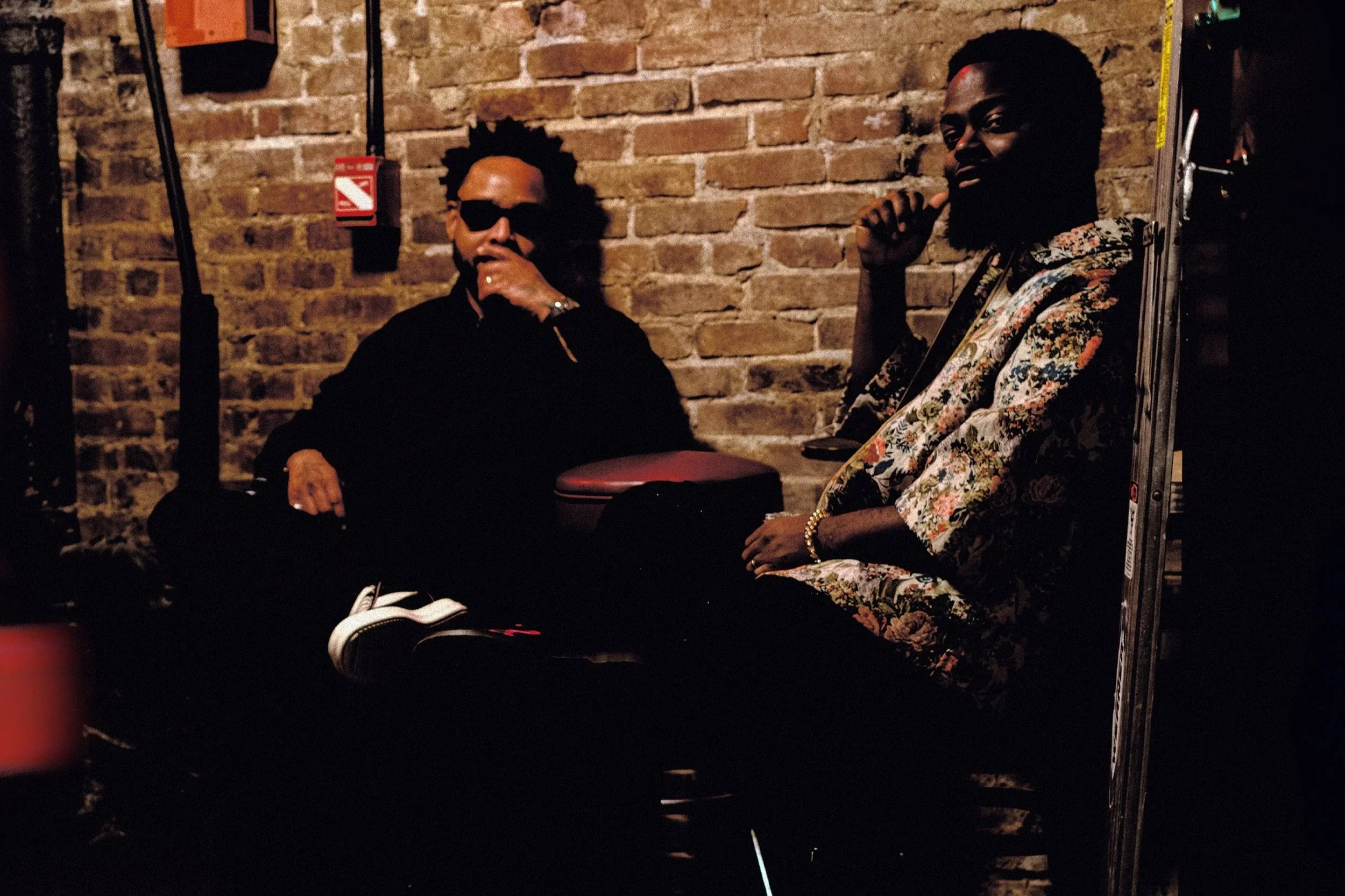
TM: I've been paying attention to Marcus Gilmore since he was about 16, 17 years old in New York City. He's a little bit young, he's younger than me, but he's been on the jazz scene for a long time in New York and my first thing I noticed about Marcus Gilmore was not even him, it was the respect all of the best musicians in the world had for this young kid, playing drums. And then when I got a chance to see him play, the way he plays the drums like nobody else. And he talks drums and he just, he's living in his purpose. Helooks at the drums for healing. He heals through drums. And he's the grandson of the great Roy Haynes, he's a famous jazz drummer, but you feel the purpose when Marcus plays and it inspires me to explore my purpose more and to explore the love of my purpose more. Marcus Gilmore is a treasure to the art world.
Hed: And purpose is also heavily, heavily jazz driven. Was there intention behind that?
TM: The original ingredient definitely comes from jazz, which is very instrumental, saxophones, bass, drums and everything. But I was also listening to Snoop Dogg Doggy Style while I was listening to this Miles Davis record. And it was funny 'cause I was like, man, if I'm gonna record with Marcus Gilmore, let me use the same instruments that they used on The Chronic and all those albums.
Hed: Wow.
TM: Let me use the minimoog, let me use the Rhodes, Let me use, you know, the Prophet, let me use the OB-8, let me use these things and put 'em with Marcus Gilmore and kind of paint a funky, soulful picture. Like, what would Marcus Gilmore sound like if he spent three months off of Crenshaw Boulevard?
Hed: Wow.
TM: And, that's what I feel we came with.
Hed: The last landing page on the internet that is Love is Louder Than Algorithm will be Perspective.
TM: Yes.
Hed: This is a what I, so I know you're not a tech nerd. I'm a tech nerd.
TM: Yes, you always have been, always have been. You a nerd, with love.
Hed: So I'm gonna tell you something about, there's a thing called, so we all work on MacBooks in the studio, Apple products, et cetera. Whenever you want to use, let's say you have a version of Pro Tools that you would like to use, and it's a Windows version. You can't use a Windows version of Pro Tools on a MacBook, well, you can, but you have to run it through a translation layer. That translation layer would be either, it's called Rosetta. Or you could use something called Parallels. Or crossover and things like that. It's a translation layer. The way Perspective is set up, that's what it is with from acoustic to electronic, it's being ran through like a Rosetta to transition from the acoustic to electronic. Why was that important to even do on a project?
TM: Because my perspective in life is that everybody can exist. Everyone could exist. All nationalities, all walks of life, everybody can exist. We could exist, if we want to exist together, we could exist. Usually in the music world, you know, some people don't blend, some people wouldn't take a $150,000 Steinway piano and put it through a $900 Mu-Tron Bi-Phase pedal.
Hed: Facts.
TM: Some people wouldn't record all this crazy music it's like I have all this equipment I'm always in big studios, but sometimes I just get my laptop and we plug it through the little eighth inch. Make the whole record. The Dinner Party record, I did a record called Dinner Party, the first album, 9th Wonder just texted me all those songs. It wasn't nothing deep. So everything could work together. Remember I said, I believe everybody could coexist. I believe everything could work together, and I believe once we realize how to work together as humans and blend things together, I think then we could find some answers for peace and help and everything like that. So I want to put certain instruments through certain things that people wouldn't normally do, just just for myself, just to make sure. And I've done a lot of things I wouldn't normally do, but I did things because I'm at this creative part of my life, I'm re-pimping my mind right now. I'm relearning how to love music. I'm learning how to listen to music different. I'm learning how to discover music. I'm learning what I like now, what I don't like. So I'm restructuring my brain right now. Sometimes those exercises and doing things that you may be uncomfortable with helps that muscle. And that's what this album really did for me.
Hed: So that is, to me, like the Love is Louder Than Algorithms internet, right? So you have the entirety of it, and then you have the different homepages. What is the ethernet cord that ties them all together?
TM: The human element.
Hed: Human.
TM: The human element. Because the algorithm can't even breathe without the human element. If everybody put they phone down for one day and stop on the internet, it'll be like a… Then we might see… but we control it. So the one element through this is that, the music is not the… We're in control still. We're still in control.
Hed: We're still in control. For now.
TM: For now. No, we, yeah. Well, you know what, the algorithm is a great tool. Yes. AI is a great tool. All these things are great tools. Tools are made to be used to fix or to build things. Tools. Imagine if your wrench had a brain of his own.
Hed: It’d probably go upside my head or something.
TM: You know what I'm saying? Yeah. Well that, that's, you know, that's one of the risks.
Hed: I agree with you. When it comes to these projects, what's the thought process behind the way that you put them out? Why is it a specific order? Like why is Love is Louder Than Algorithms first, then Passion, then Peace, then Purpose, then Perspective.
TM: I put 'em in that order because they all tell a sonic story as well. They all tell the frequencies in the story. Every bit of an album has a story to me. The vocals have the most obvious story of a song. The words. But then it's the music that has its own story and then it's within the music. The bassline has its own story. The keyboard within the music, the drums, all these things have their own story. So with these projects, these are all part of the Love is Louder Than Algorithms story. So the one thing, it's important for these, you'll hear, all these elements, it's funny, it's like a puzzle. All these elements they add up on Love is Louder Than Algorithms. So you'll hear where all the elements finally come together, like sonically. And as far as the order of the titles and everything, those could have been any order as far as the words. 'cause those words are very powerful. The meanings, they are very powerful. But sonically it tells a story. It tells a story behind those titles of those words sonically as well.
Hed: Okay. And then from your perspective, at this stage in your career, having accomplished all these different things, GRAMMYs, the awards, outside of creating things for the human, what's left for Terrace Martin to do?
TM: I'm on the same mission. I'm not finished with this mission I'm on, this mission of art, this mission of music, this mission of love. Somebody asked me the other day, “man, what's your end game? What's your retirement game?” I said, you know, once you really sign up for the art thing, not the music business, not the business of art, but once you sign up spiritually for these positions in life and you really sign up and when the creator bless you with positions where you could help people, 'cause you needed help, and then you don't, there is no… the end game is… when I go, hopefully some of these words ring, this music go, 'cause when I go, the creator gonna snatch this gift and give it to another kid. And then we gonna keep going. But the reason why the words of Hed and Terrace are so important because when he gets that gift, because he is gonna get it when I die, it is not gonna go with me. You know? 'cause when I first came to Earth, it wasn't with me. I remember life without this. Short. But, I do remember it like, oh, you know, once a kid get it, our words are the instruction manual for the gift. Because having this kind of gift with no instruction manual leads to chaos. 'cause this gift is the same passion behind a gun. The same passion
Hed: Same, same passion.
TM: I just was given a horn.
Hed: Mm-hmm. Right.
TM: You understand what I'm saying? So what we say is the roadmap to the gift.

Hed: I have two more questions for you. The first one is, what is the musician's version of rappity Rap? And what I mean by that is - you get in a studio with a artist, you've been in a studio with hundreds of artists, they get in the booth and over-rap the record. What is a producer's or a musician's version of that?
TM: Most jazz musicians. All of them. All the ones, all the ones that all, you know. Most jazz musicians that overplay also have social problems too. We all got problems, but most of 'em that overplay, I find something in common. They, they don't, uh - when you overplay, you're not listening.
Hed: Facts.
TM: Most of em that overplay don't listen in regular conversation. It coincides with… most of 'em that play long melodies, wait for the breathe with the band, tell a story, they’re good listeners and everything, you know. So that version of me is, uh, so many musicians, man, you know? it is a scene called the Jam Band Scene where all these young musicians get together, bands four or five piece, 10, 12 piece bands, and they play all these arrangements, right? They all feel like Wheel of Fortune arrangements, right? They play these crazy arrangements, these musical acrobatics that only musicians could relate to, but the musician population is so small. It's so- that's rappity rap for me, where it's just like, okay. Or like when I walk into a room and I see a saxophone player and he plays all these lines, I'm like, man, I'm just trying to get to the bar, bro.
Hed: When you overplay, you not listening. That's a bar.
TM: How you gonna listen when you overplay, you know? 'cause playing music is a conversation, right? Talk, I'm gonna show you overplaying. [DJ Hed begins speaking a few sentences strung together] Keep talking. [Terrace speaks over Hed with the following] “We need help. I need a Louis wallet. I need this, I need that. I'm that I am this. Look at me. Oh my God. I'm this, I'm hurting, crushed, and have a codependency, insecure. And I'm, oh, I'm this, I'm that. Huh? What? What'd you say?” That's what overplaying is to me, thats what that is to me.
Hed: I heard you. Okay. And if somebody, if you had to… so, okay, this is gonna sound like a crazy question, but I'm just going to be, I'm just gonna ask it 'cause it's a thought that I had. Describe Love is Louder Than Algorithms to someone who doesn't have the gift of hearing music anymore?
TM: Can they read?
Hed: Yes, they're deaf. They're not blind.
TM: Okay. They, that's when them words, them songs mean something. That's when they gotta read them words.
Hed: Oh, you saying read the words of the songs
TM: You gotta read the words of the song. That's why the song is just as important as the music to me.
Hed: Facts, that's where I was going with it.
TM: Yeah. I don't care about the music, I don't care about the vocal, I care about the song. The whole song.
Hed: The whole thing.
TM: I want to feel good. I want the words to give me something. But, I definitely try to make music. And when it comes to… I try to select songs and write songs that even if you don't like my music, it could still speak to your life if it ends up being just in a self-help book or something like that. You know what I'm saying? You know, we have a song called Closure on there, that's with Alex Isley and Herbie Hancock and we've played that song around the world and Herbie likes to explain it where that song is so helpful for people that's dealing with closure. Closure is a real rough thing to deal with. You know, whether you lost somebody, a relationship, closure is a real thing. The words of that song are helpful. We will get you to a place. We’ve got a song called Criminal, my boy, Preston Harris, that is titled Criminal, but his love for you is so aggressive,that's what he’s on. It should be criminal the way I love you. I love you, but true agape. You know what agape love is?
Hed: No.
TM: You know what agape love is? Agape Love is the most true, unconditional, unapologetic love. You know the books of love in the Bible? Corinthians, Galatians, Ephesians. You want the best book of love? Read those chapters. Read Corinthians. You don't gotta be Christian to read this. I'm kind of recommending this as a book now. Read Corinthians, read that book of love. You'll realize I ain't loved and ain't never been loved except by my mama. I'm a dog. Damn sho not, you know what I'm saying? You know, but that love man, you know?
Hed: I guess my closing would be for this, is you made a conscious decision that you said that you didn't want to really be seen like that anymore. You wanted to, you know your words to be felt through the music, and you wanted your words to be felt through print and maybe even some audio. But you were over like, being seen for the foreseeable future. Why?
TM: I just got off the phone with Punch about this. He's like, oh dude, you gotta be seen. I said, well, I don't mean not be seen. I mean, because the algorithm and the internet, you know, it's a fine line from looking stupid online, doing too much for me personally. It's like keep going to the club every weekend. I'm just from a different cloth where I want the music and the art to speak and people will say well, nowadays you gotta have this, you gotta have that, you gotta have that. That's that algorithm shit. I ain't gotta have nothing. I made my deal with God. I gotta put out these records and put some good music out an do a couple things, but I don't gotta have nothing that I can't, I'm not gonna let the algorithm tell me what I have to have to, to live as a human.
Hed: It's a tool.
TM: Yeah. And then you want me to respect you, but you're controlled by the algorithm. That's not… you know, so what I mean by that is, I mean you know, the people that like my music, they'll read an article. They'll listen to a vinyl, I'm with them. We're with each other. This is for my people. I'm part of them. This is for them. Like I say, man, my whole goal now at this age and where I'm at in life is keep going up with this music and this art and make sure I leave the clues and the hieroglyphics behind.
Hed: Right.
TM: And sometime I can't leave behind a video. The algorithm may shut me down one day, kick me out. I might get kicked outta algorithm land. But this written right here, and this go to print. This is what it is. Can't erase this.
Hed: Well, I appreciate you.
TM: You could AI the fuck outta me with the videos. You know, I be seeing all kind of LeBron shit. Yeah, nah man, I'm gonna leave the real hieroglyphics behind as much as I can, you know, and a lot of things I do may not make sense right now, but I have a deal with a higher power that I'm on a thing. So a lot of shit I say may not make sense to me or anybody else right now my whole life, but when it's time for it to click in, I'm here for a mission. I already know my deal with Him. I'm here for a mission and my whole thing is to leave hieroglyphics and clues for the young cats and different cats to try to do it. And you don't gotta be a musician like the clues I'm trying to leave ain't for just musicians. It's for people that just wanna expand. And I think that's needed in our community, the tools to expand.
Hed: Well, I appreciate you for including me.
TM: Yeah, fuck you punk
Hed: I appreciate it. I take it
TM: How many niggas you say I don't like that record to and they got mad at you?
Hed: A lot, but they asked me. And I'm not gonna lie to 'em.
TM: And then they get mad.
Hed: Yeah
TM: But the ones that didn't, they go.
Hed: They got money. You get mad or you get money. That's fine.
TM: And the record work,
Hed: Hey, God bless.
TM: I love you, Hed, I appreciate you, man.
Hed: I appreciate you. Love is Louder Than Algorithms
TM: And you was a conscious decision of me and Sam, man. 'cause your trajectory is crazy, man.
Hed: Thank you.
TM: I'm telling you, I see something, man. We haven't had a guy like you. See, 'cause right now what I see the algorithm puts all the street guys in front right now. Especially when it comes to Los Angeles. They put all that so they, people could laugh at us and all this clown shit going on. And then we got guys like you and now we got the guy Glasses creeping through people that know how to talk with sense, that know how to talk with love and just tell the truth without, as the homegirl Sam calls it “fluff.”
Hed: facts.
TM: You dig what I'm saying? So, man, I love you. I love what you doing. I'm always gonna be by your side, nigga. You know that till the wheels fall off.
Hed: Facts. I appreciate you. Thank you for having me. Love is Louder Than Algorithms. Go tap in. Go tap in.